
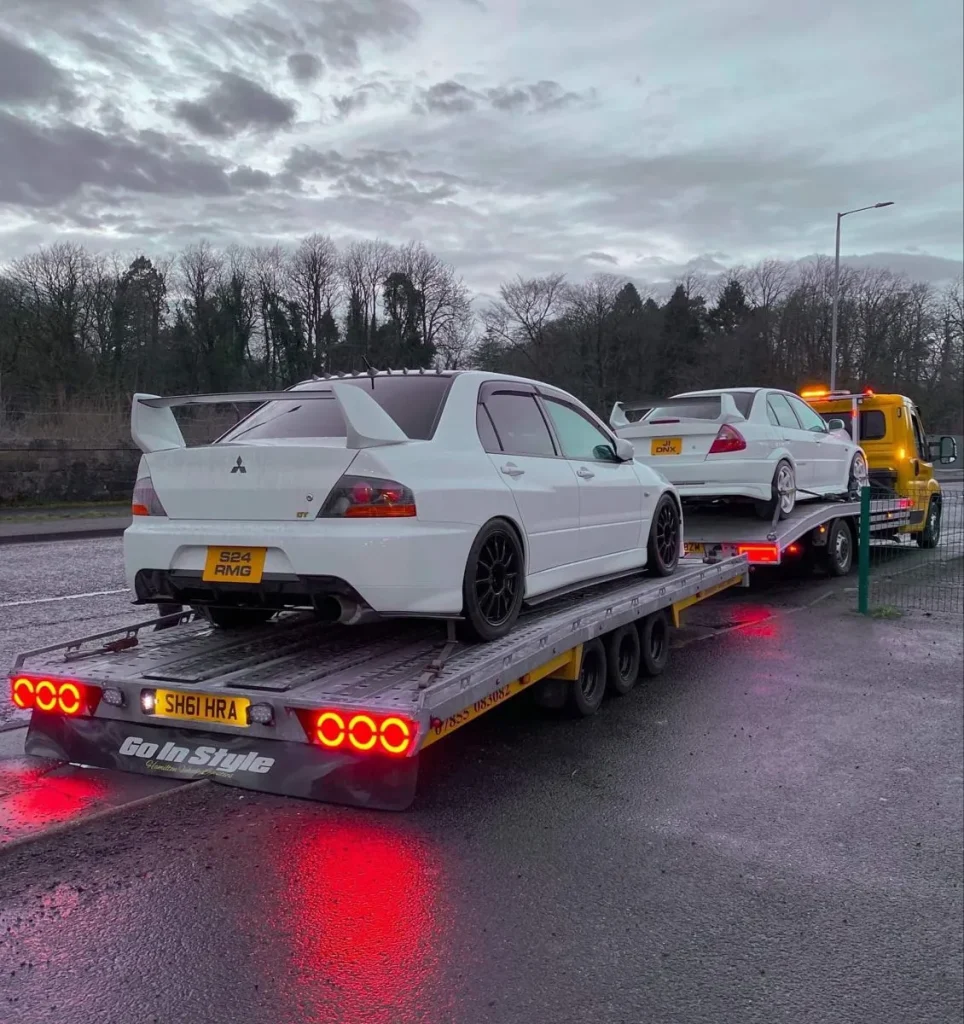
Shipping a car can be a practical solution when moving to a new state, buying a vehicle from another city, relocating for work, or sending a car to a family member. Instead of driving hundreds or thousands of miles, you can arrange professional auto transport and have your vehicle moved to a designated destination.
For drivers in Pueblo, Colorado, understanding the car shipping process can make planning easier. RoyalPath Auto Shipping offers information about open car transport, enclosed car transport, door-to-door auto transport, and state-to-state shipping options.
What Is Car Shipping?
Car shipping is the process of transporting a vehicle from one location to another using a specialized carrier. Depending on the service selected, a vehicle may be transported on an open trailer, inside an enclosed trailer, or through a door-to-door transport arrangement.
The right option depends on your vehicle, budget, pickup and delivery locations, and preferred schedule.
Step 1: Request a Shipping Quote
The first step is to request a quote for your vehicle shipment. You will generally need to provide the pickup location, destination, vehicle make and model, vehicle condition, and preferred shipping dates.
Accurate information helps the transport provider assess the shipment and explain the expected cost. Ask whether the quote includes all applicable transportation charges, whether any deposit is required, and what circumstances could change the final price.
Step 2: Choose Your Transport Method
There are several common ways to arrange vehicle transportation.
Open car transport: Your vehicle travels on an open carrier. This is a common option for standard cars, SUVs, and pickup trucks.
Enclosed car transport: Your vehicle travels inside an enclosed trailer. This option can provide additional protection from weather and road debris and may suit classic, luxury, collectible, or specialty vehicles.
Door-to-door auto transport: Pickup and delivery are arranged at locations close to your specified addresses, where legally and safely accessible. Large carriers may need to use a nearby parking lot or another suitable meeting point.
State-to-state auto transport: Your vehicle is transported between states without requiring you to make the entire drive yourself.
Compare the available options before choosing a service.
Step 3: Schedule Pickup
After agreeing on the shipment details, arrange a pickup window. Actual pickup timing can depend on carrier availability, route conditions, traffic, weather, and the accessibility of your location.
Before the carrier arrives, remove personal belongings unless their transportation has been specifically authorized. Take photographs of your vehicle from multiple angles and document existing scratches, dents, or other visible damage.
Keep your keys available and make sure the vehicle is ready for inspection.
Step 4: Inspect Your Vehicle
The vehicle’s condition should be recorded at pickup. Review the inspection report or bill of lading carefully and make sure existing damage is documented accurately.
Ask who is responsible for preparing and signing the paperwork, how claims should be reported, and what insurance coverage applies during transportation. Do not assume every type of damage or personal item is covered.
Step 5: Track the Shipment and Prepare for Delivery
Ask for the carrier’s contact details and the expected delivery window. Transit times can vary according to distance, route, weather, traffic, and scheduling.
Before delivery, arrange a suitable place to inspect the vehicle. Compare its condition with the pickup documentation and report any apparent new damage promptly. Follow the provider’s instructions for documenting concerns and submitting a claim.
What Affects Car Shipping Costs?
Several factors can influence the price of shipping a vehicle:
- Distance: Longer routes generally require more transportation resources.
- Vehicle size and weight: Larger vehicles may take up more carrier space.
- Transport type: Enclosed transport often costs more than open transport.
- Route demand: Popular routes and seasonal demand can affect pricing.
- Pickup accessibility: Difficult access or remote locations may require special arrangements.
- Timing: Urgent or inflexible pickup requests can affect availability and price.
Request a written quote that explains the price and any additional charges.
How to Prepare Your Car for Shipping
Clean your vehicle enough to make existing damage visible. Remove loose accessories and personal belongings, secure removable parts, and leave only the amount of fuel recommended by the transport provider. Make sure the carrier knows if the vehicle does not run or has special loading requirements.
Also, disable or explain any alarm system that could activate during loading. Keep important documents and valuables with you.