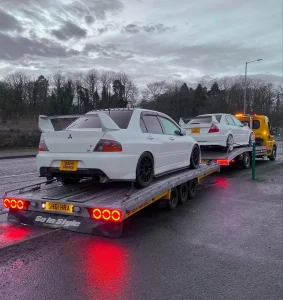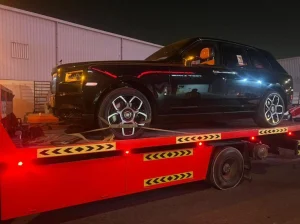

State-to-state auto transport helps move vehicles between destinations across the United States without requiring owners to drive the entire distance. RoyalPath Auto Shipping helps customers explore available routes, pickup arrangements, transport methods, and estimated shipping costs.
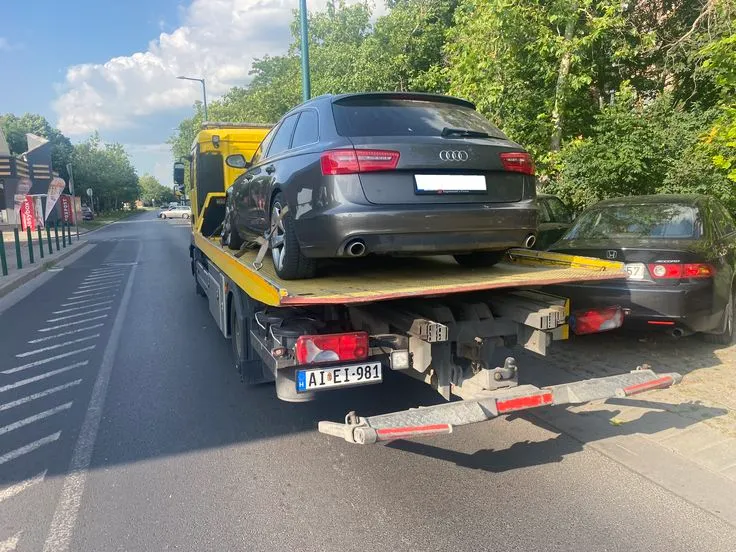
Moving a vehicle across state lines can involve considerable time, fuel, overnight stops, and travel planning. State-to-state auto transport offers an alternative by arranging for a vehicle to be transported between locations in different states.
RoyalPath Auto Shipping helps customers explore vehicle shipping options from Pueblo, Colorado, to other destinations, subject to route availability and confirmed service arrangements. Whether you are relocating, buying a car from another state, moving for work, or sending a vehicle to a family member, understanding the process can help you prepare.
State-to-state auto transport involves moving a vehicle from a pickup location in one state to a destination in another. Depending on the shipment, the vehicle may travel on an open carrier or inside an enclosed trailer.
Pickup and delivery can be arranged around specified addresses where accessible, or another agreed meeting point when direct access is unsuitable.
Availability and timing depend on the origin and destination, carrier capacity, route demand, vehicle specifications, and scheduling requirements. Always confirm that your specific route can be accommodated before making travel plans.
A new job, family move, or change of residence can require transporting a vehicle over a long distance. Shipping the car may allow you to focus on moving arrangements instead of driving the entire route.
Purchasing a car from a seller in another state can provide more choices, but arranging delivery is an important part of the transaction. Vehicle shipping can help connect the seller’s location with the buyer’s destination.
Confirm the vehicle’s condition, ownership arrangements, pickup authorization, and any required paperwork before transportation begins.
Families may arrange transportation when a student moves to a college in another state or when a vehicle needs to be delivered to a relative. Planning ahead helps coordinate pickup and delivery with the intended recipient’s availability.
People who spend extended periods in different states may consider shipping their vehicles rather than making a long drive. The right arrangement depends on the route, schedule, and cost.
Long-distance driving can require several days, depending on the distance and conditions. Shipping your vehicle can reduce the need to personally complete the full journey.
Customers may be able to choose between open and enclosed transport, depending on the vehicle, route, and carrier availability.
Open transport is commonly considered for everyday vehicles, while enclosed transport may suit classic, luxury, or specialty automobiles that need additional shielding from outdoor conditions.
Depending on accessibility, pickup and delivery may be arranged at or near the addresses provided. Confirm the exact locations and whether a nearby meeting point will be necessary.
A confirmed transportation arrangement can help you coordinate other moving tasks, such as travel, accommodation, vehicle registration, and household relocation.
Start by providing the pickup and delivery locations, vehicle make and model, vehicle condition, preferred dates, and desired transport method.
The provider can assess the route and explain available options, estimated costs, and scheduling. Confirm the total price, payment requirements, carrier assignment arrangements, and cancellation terms before booking.
Before pickup, remove personal belongings, take photographs, and document the vehicle’s condition. Inform the provider about mechanical issues or modifications that could affect loading.
At handover, review the inspection report and retain the relevant paperwork. During transit, stay in contact through the agreed communication method and treat delivery times as estimates unless a specific commitment is documented.
When the vehicle arrives, inspect it and compare its condition with the pickup record. Report any concerns promptly and follow the applicable claims procedure.
Pricing depends on several factors, including:
Ask for a written quote and confirm which services and fees are included.
Remove personal belongings, secure loose accessories, and photograph the vehicle from multiple angles. Disclose any mechanical problems, modifications, or loading restrictions before the carrier arrives.
Confirm the vehicle’s pickup and delivery arrangements, the expected schedule, the contact method for updates, and the documents required for handover.
Review the insurance information and ask how to report potential damage. Keep copies of the quote, booking confirmation, and inspection paperwork.
Find answers to some common questions about car shipping and vehicle transportation.
The cost depends on the shipping distance, vehicle size, transport method, route demand, pickup and delivery locations, and preferred dates. Enclosed transport generally costs more than open transport. Contact RoyalPath Auto Shipping at (719) 417-9295 to discuss your route and request a quote.
Transit time depends on the distance, route, carrier schedule, weather, traffic, and pickup and delivery arrangements. Your provider can give you an estimated delivery window after reviewing your shipment details.
Open transport carries vehicles on an uncovered carrier and is commonly used for standard vehicles. Enclosed transport carries vehicles inside a covered trailer, helping reduce exposure to weather and road debris. The best option depends on your vehicle, preferences, and budget.
Pickup and delivery can often be arranged at or near your specified addresses. However, large carriers require safe and legal access. If a residential street or driveway is unsuitable, the driver may arrange a nearby accessible meeting point with you.
Remove personal belongings, clean the exterior enough to identify existing damage, take photographs, and disclose mechanical issues or vehicle modifications. Follow the carrier's instructions regarding fuel level, keys, and vehicle readiness. Review the inspection paperwork at pickup and delivery.