
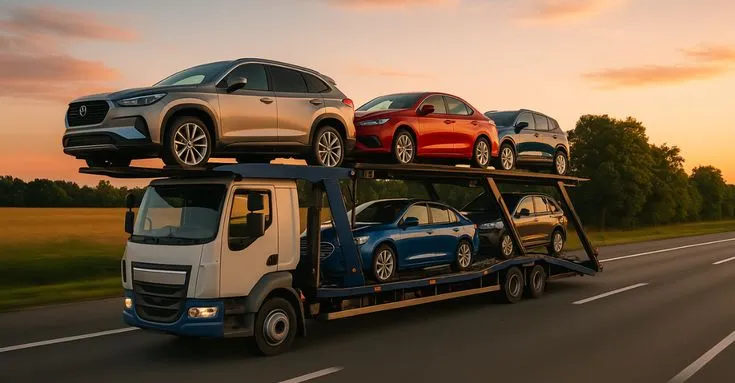
Choosing between open and enclosed car transport is an important part of arranging vehicle shipping. Both options can move a vehicle from one location to another, but they offer different levels of exposure, capacity, and cost.
Whether you are shipping a daily driver from Pueblo, Colorado, or arranging transportation for a valuable collector car, understanding these differences can help you make an informed decision.
What Is Open Car Transport?
Open car transport uses a carrier with an exposed loading platform. Multiple vehicles can often travel together on the same trailer, making this a widely used method for transporting standard passenger vehicles.
Because the vehicle is exposed to the outdoor environment, it may encounter rain, dust, road debris, and other weather-related conditions during the journey.
Benefits of Open Transport
A widely available option: Open carriers operate on many vehicle shipping routes, although availability depends on the location and schedule.
Potentially lower cost: Open transport commonly costs less than enclosed transport because carriers can move multiple vehicles efficiently.
Suitable for everyday vehicles: Most standard cars, SUVs, and pickup trucks can be transported using an appropriate open carrier.
Practical for longer routes: Open transport can be a convenient option for customers shipping vehicles between cities or states.
What Is Enclosed Car Transport?
Enclosed car transport moves vehicles inside a covered trailer. The enclosed structure provides an additional barrier against weather and road debris.
This method may be suitable for classic cars, exotic vehicles, luxury automobiles, restored vehicles, and other vehicles whose owners want additional protection during transit.
Benefits of Enclosed Transport
Reduced exposure: The vehicle is shielded from many external weather conditions and road hazards.
Suitable for specialty vehicles: Owners of valuable or collectible vehicles may prefer the additional protection offered by an enclosed carrier.
More specialized handling options: Some enclosed transport providers offer equipment or handling procedures designed for low-clearance or specialty vehicles. Confirm these arrangements before booking.
Additional peace of mind: For some owners, the extra cost is worthwhile because of the nature or value of the vehicle.
Enclosed transport does not eliminate all transportation risks. Always confirm the carrier’s insurance arrangements, loading procedures, and limitations.
Open vs. Enclosed Transport: Key Differences
The main difference is how the vehicle is carried during transportation.
Open transport exposes the vehicle to outdoor conditions, while enclosed transport provides a covered environment. Open transport is often more economical, whereas enclosed transport generally has a higher price.
Availability, delivery timing, and cost depend on the route, carrier capacity, vehicle dimensions, and requested dates. Neither method guarantees a specific delivery time without an appropriate written commitment.
Which Option Is Better for Your Vehicle?
Open transport may be a suitable choice if you have a standard daily-use vehicle and want a practical shipping option. It is commonly considered by people relocating, purchasing a car from another state, or arranging transportation over a long distance.
Enclosed transport may be worth considering if your vehicle is rare, highly valuable, freshly restored, or particularly sensitive to exterior conditions. Owners should compare the additional cost with the vehicle’s needs and their own preferences.
For oversized vehicles, modified suspension, low ground clearance, or non-running vehicles, ask about carrier compatibility before choosing either service.
How Much Does Car Transport Cost?
There is no single price for every shipment. Cost can depend on distance, vehicle size, route demand, season, pickup accessibility, carrier type, and scheduling flexibility.
Enclosed shipping generally costs more than open shipping. To compare options accurately, request quotes for the same route, vehicle, dates, and service requirements.
Ask whether the quote includes carrier charges, deposits, cancellation fees, and any additional pickup or delivery costs.
Preparing Your Vehicle for Transport
Before pickup, remove personal belongings and loose items, photograph the vehicle, and document existing damage. Confirm the recommended fuel level and tell the provider about mechanical problems, modifications, or loading restrictions.
At delivery, inspect the vehicle and compare its condition with the original inspection documentation.
Make an Informed Choice
The right transport method depends on your vehicle and priorities. Open car transport can be a practical option for many everyday vehicles, while enclosed transport offers additional shielding for vehicles that need extra care.
RoyalPath Auto Shipping provides information about both transport options for customers planning vehicle shipments. Call (719) 417-9295 to discuss your vehicle, route, and scheduling needs before requesting a quote.